Have you watched Chef’s Table? It’s a show on Netflix where each episode follows a particular chef, telling their unique story, and showcasing their culinary expertise. One of my favorite episodes features Virgilio Martínez, a visionary chef from Peru. The show captures him exploring remote locations, sampling local ingredients, documenting his findings, and recreating Peru’s various ecosystems in his dishes.
In 2011 his sister, Pia Leon, who holds a medical degree, joined Virgilio in his project, resulting in the creation of the Mater Iniciativa. Mater aims to acquire comprehensive knowledge about Cusco’s resources, ingredients, and inhabitants, with the purpose of integrating gastronomy with science, arts, humanities, and other disciplines, showcasing this work at the four restaurants: CENTRAL, KJIOLLE (Lima), MIL (Cusco), and MAZ (Tokio).
Virgilio distinguishes himself through the fusion of culinary innovation and scientific research, often developed through close partnerships with Cusco’s natives. One such partnership is with the K’acllaraccay community near Moray. Since founding MIL in 2018, which is only located about a third of a mile from Moray, Virgilio and his team have spent more than five years carefully cultivating trust with this indigenous group who, like many in the region, are typically cautious of outsiders. The relationship is deeply reciprocal, for example, MIL shares dietary and nutritional knowledge with the K’acllaraccay community in an exchange for their botanical wisdom of the local flora, agricultural traditions, and preservation methods. In another instance, Virgilio arranged for world-renowned dentists to visit the village and provide care in exchange for interviews about a particular sauce preparation. His team later analyzed and refined those recipes to create the ultimate one.
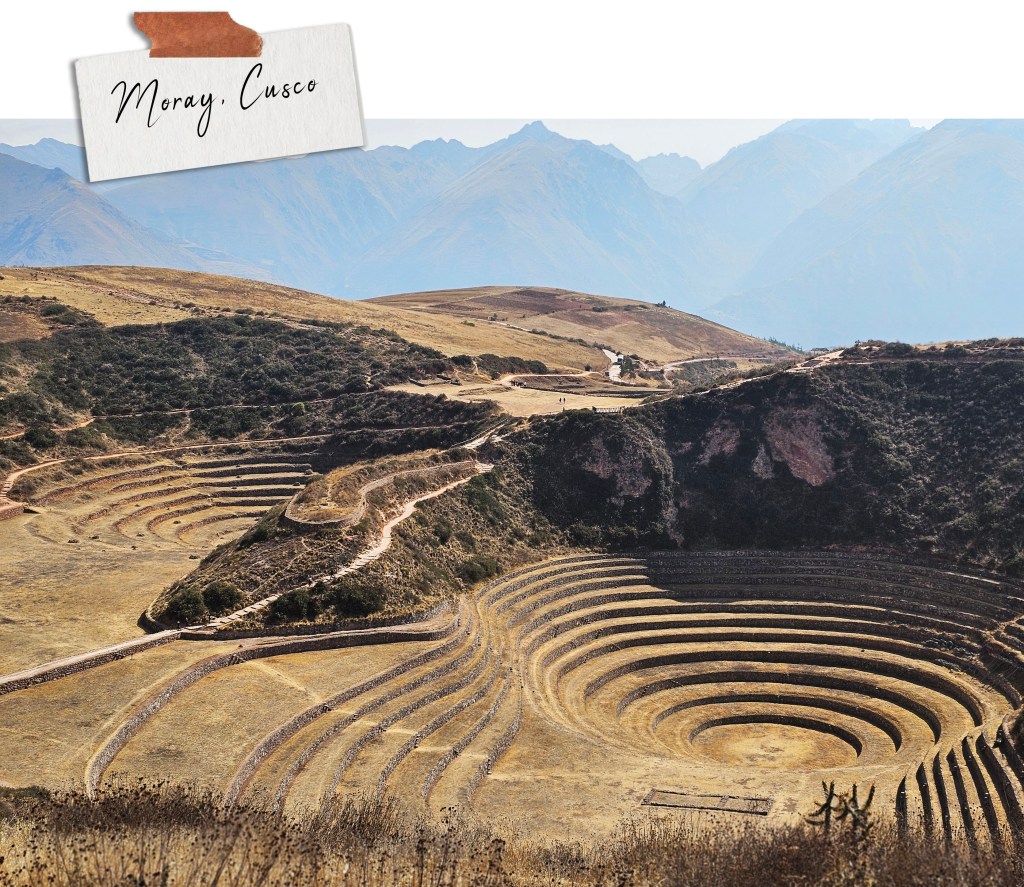
MIL is located near the archaeological site of Moray, home to a fascinating collection of ancient Inca ruins. The Incas likely used these circular, terraced depressions as an agricultural lab to experiment with crops, utilizing soil transported from other regions and an ingeniously designed irrigation system. Owing to its unique design, each terrace features its own microclimate, with temperatures varying by as much as 25°F between the top and the bottom terrace. The site highlights the Inca’s expertise in farming, climate, and engineering, making it a perfect location for Virgilio’s research hub and restaurant.
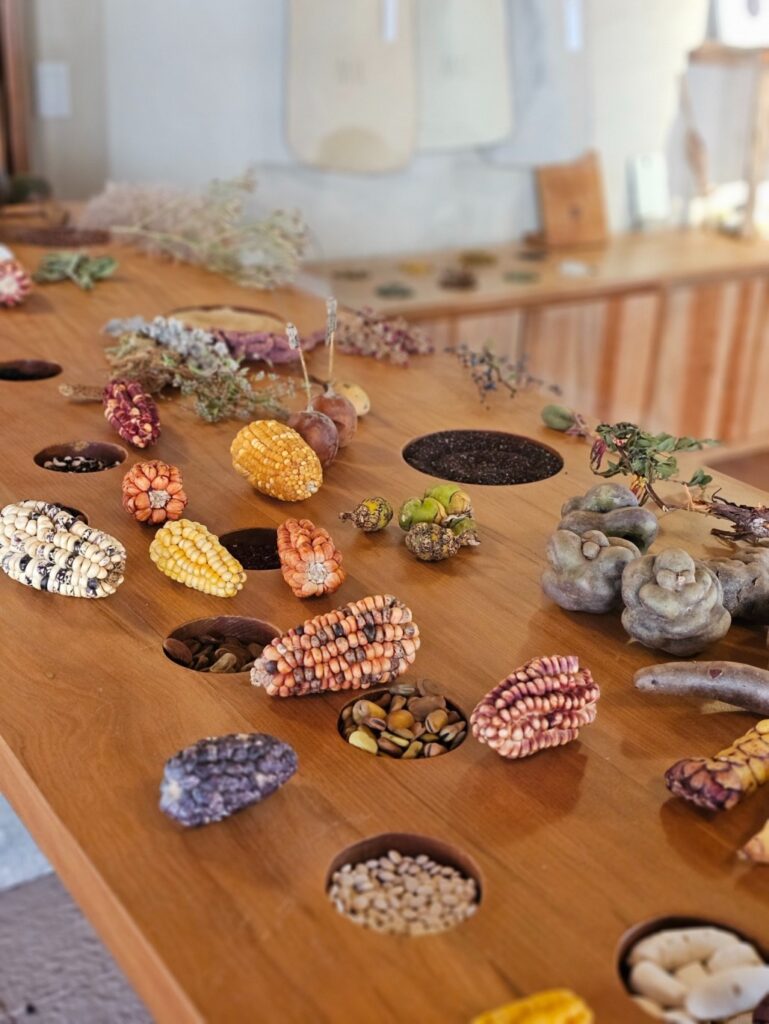
Upon arrival at the property, we were greeted by a serene and modern courtyard. As we prepared for the tour, I took a stroll to check out the space. Set up like an agricultural exhibit, visitors can browse displays containing a variety of corn, potatoes, and other types of tubers – all native to the area. The premises included the restaurant, a gift shop, and a separate space dedicated to research and development. Off to the side there was Virgilio, in the flesh, diligently engaged in his work.
Our tour guide informed us that we were their second group to ever do this immersive tour and experience the hospitality of the Warmi. In the Quechua language, “Warmi” translates to “Woman.” This term encompasses a broader meaning, referring to a woman who possesses vital skills necessary for daily life in Andean communities. These skills include weaving, which is performed alongside their responsibilities of childcare, animal husbandry, and land cultivation.
The tour started in their village, a home to 90 families, totaling approximately 230 people. The Warmi women welcomed us with floral necklaces and guided us through their town, leading into the courtyard of one of their homes. During this stop we enjoyed a beverage and observed the process of cleaning and dyeing wool fabric. Following our introductions, we embarked on a hike to a local scenic viewpoint.
Accompanied by a small herd of sheep and a donkey, we walked past the fields where various crops such as corn, fava beans, and trigo (wheat) are cultivated. The women generously shared insights into their daily lives and answered our questions. They demonstrated weaving techniques and shared knowledge about their community, plants and their medicinal benefits, as well as textile production methods.
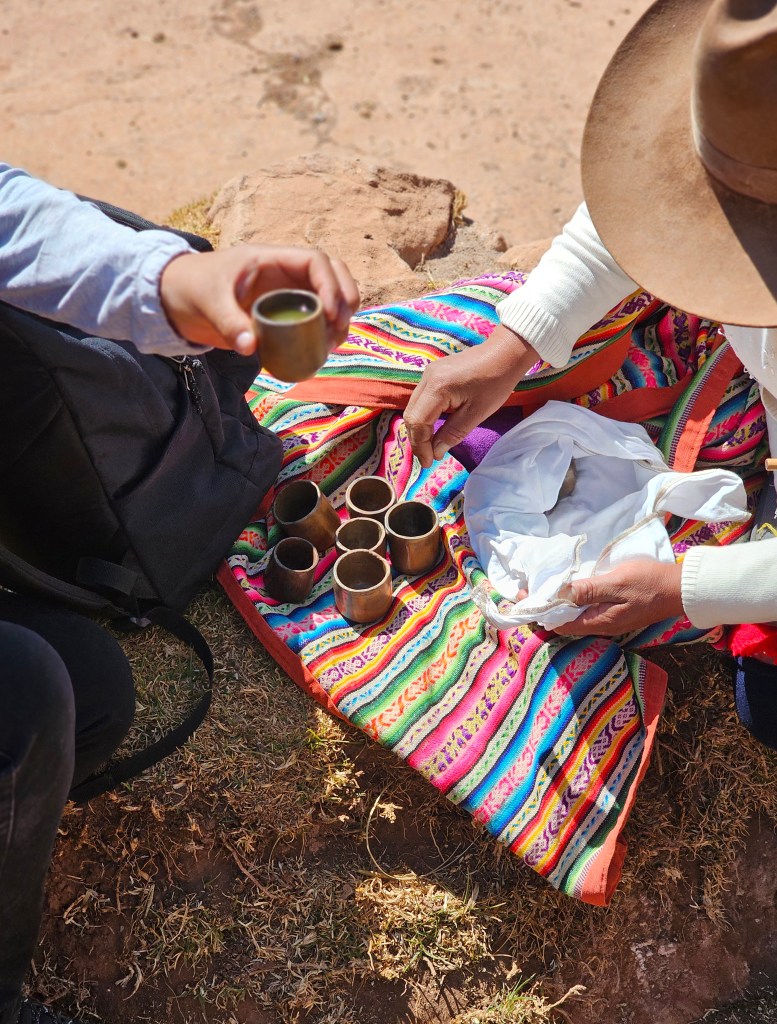
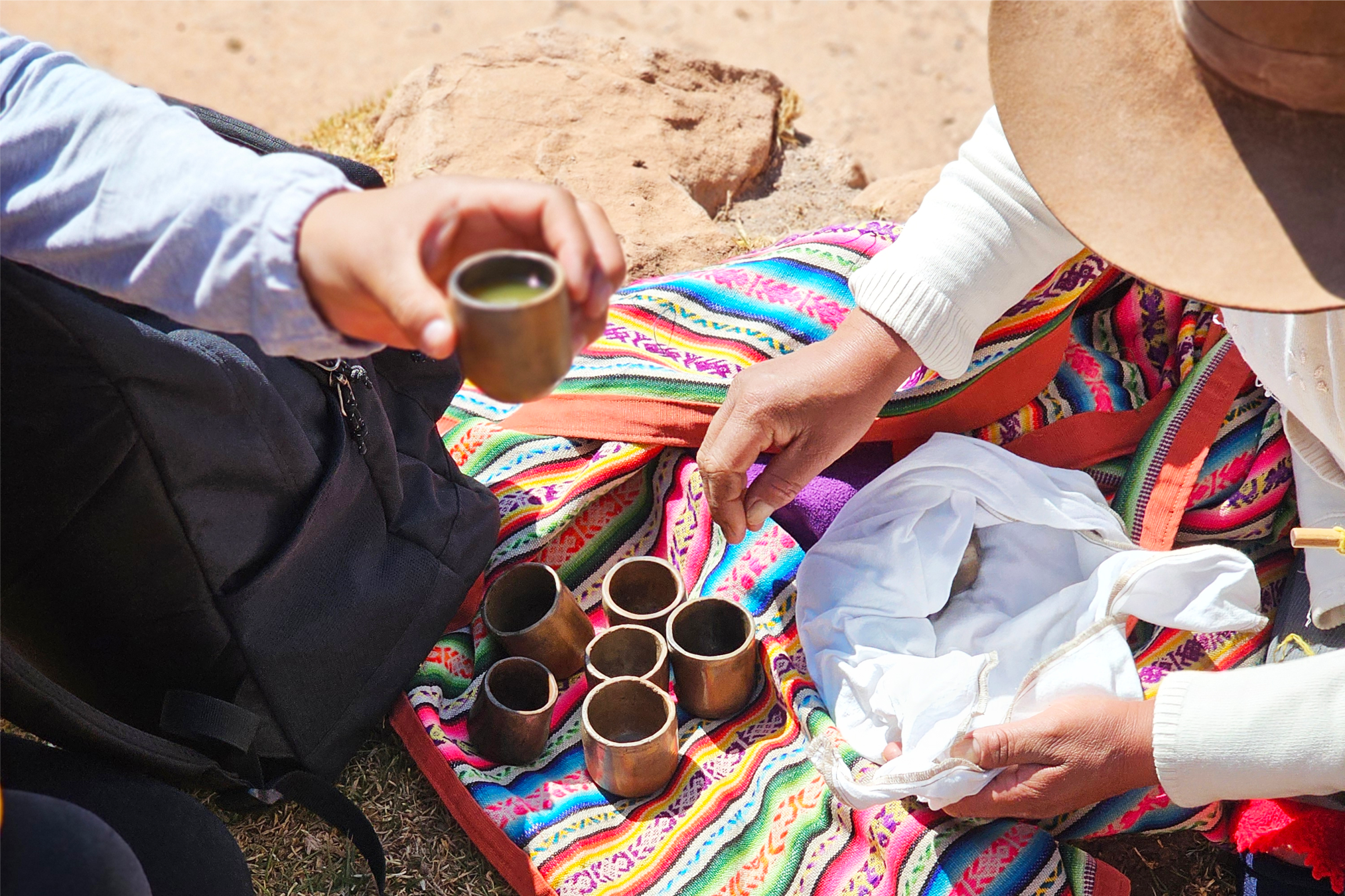
Due to the difficulty of walking at high altitudes, we took a few breaks during which the women offered us a homemade beverage and taught us to express gratitude to Mother Nature by offering a few drops of our libations to Mother Earth - Pachamama.
The tour concluded atop one of the mountains with a breathtaking view that was worth the hike. Here we had our main meal of foods like “field freeze dried potatoes”, choclo (corn), and the best tasting salad I have ever had! They showed us the techniques of weaving their distinguished fabrics and allowed us to relax and take in the spectacular vistas.
In the culmination of our tour, we expressed our gratitude for this beautiful experience. Our sendoff was a beautiful Quechuan song that the women sang in unison. The whole experience was so genuine and sweet, it was impossible to hold back the tears. We exchanged farewells with the sentiment of "until we meet again."